Eeh. It might be perception, but I feel like it was the other way around — around the time iPhone came out, a lot of apps eschewed compliance in favour of achieving clearer identity. I think that cleared the way for electron — I actually vaguely remember some people talking about using html-based apps because they made achieving a specific visual design easier, not because of the portability benefits.
And for example AFAIK the new Apple Music app is using a web view for some parts of itself, and as much as I like having "light" apps, I generally prefer interacting with Electron UIs over most QT apps.
The first one isn't Mac like --- the menu bar doesn't go on the top of the window. I don't necessarily think that's great, but that's the way it should be on a Mac.
Qt was always the better practical choice, and its license issues were sorted out decades ago. Couple that with a world where choosing C over C++ makes less and less sense (compilers having got a lot better) and the writing has been on the wall for years now.
a lot of apps look non-native on os X, with apple starting the trend of ignoring their own HIGs about 5 years ago.
I don't really mind, since osx happens to be my daily driver since about a year, but whenever people claim that osx is visually coherent I can't shake the feeling they are stuck in 1998 and Mac os 8.
The problem is that Qt and other cross-platform frameworks tend to look glitchy, as in their differences are non-intentional and jarring.
They also tend to just look pretty old-fashioned, because these frameworks are pretty old now and the controls, layouts, and workflows they provide are a bit old-fashioned.
So the first impression you get for software using Qt is old and glitchy. Which isn't great.
What's wrong with something looking "old-fashioned"? That seems to be better from my point of view.
I just finally got switched to Windows 10 on my work computer. Every time I start up a simple calculator, it takes up most of the space on my gigantic 27" QHD screen! Do they think I'm blind or something? The old Windows 7 calculator looked just fine and was an appropriate size.
Hmm. When I look at the (as far as I know) native apps that I have running on my Mac at this moment -- Safari, Day One, Numbers, Soulver, Terminal, MailMate, BBEdit -- there's a pretty obvious shared visual language between them. They all look "native Mac" in a way that Slack, Visual Code, LibreOffice, and Calibre don't. (To be fair, Calibre's UX goes out of its way not to fit in with any desktop environment on this planet, so it's probably not a good benchmark.)
> How do Qt projects look + feel when ported to Mac OS X?
I haven't seen any cross-platform toolkits that abide by Mac standards. Funny enough, the closest is Mozilla's toolkit. Other than that, there are always telltale signs—e.g. no one seems to grok Mac's toolbars even though they're organized by the basic laws of proximity and grouping. Qt apps have the lazy grid toolbars just crammed from left to right, occasionally with extra-large icons for the ‘designy’ look, and always with colorful icons unless something app-specific is made (like in Calibre). Plus the noisy dividers.
Also, since Qt handles all the graphics and input, it has to reimplement everything high-level that the systems provide out of the box, and presumably to track changes in all of that. Hence the past bugs of one-pixel offsets between elements where they can't be in the system. And the present non-support for system-wide key rebinding on Mac—e.g., home/end instead of cmd-left/right.
But yeah, Qt is better than something like not-obsessively-tuned Swing. As for GTK, it seems to depend a lot on the author specifically not forgetting to bundle the native-look theme.
Alas, can't speak in regard to that, because I've never seen a Wx app aside from a few smallish Python projects— which I think I only passed by on Github, nodding appreciatively and then not running any of them.
Btw, I'm saying the above while myself having made a small Python project with Wx about eleven years ago. That was the closest I've come to a Wx app—but it was on Windows and amounted to little more than a single button, so not much knowledge gained.
I think GTK3 will still be viable for a least a few more years. It's currently in maintenance mode -- no new features will be added, and all feature development is happening in git master in preparation for the GTK4 release. The first release of GTK4 is currently planned for this fall.
Qt5 can be made to look pretty close to a native Mac app, but one thing I haven't figured out yet is if there's a way to get that "bouncy" effect you get when you scroll to either end of a list.
Is this "bouncy" effect the elastic one pulling against the end, snapping the list back to position when you release it, or is it the the one where the scroll ricochets off the end when you apply great force in order to quickly scroll to the end? The former is a very nice UI cue, but who on earth thought the latter was a good idea? As an Android user, I wish there was a way to disable the ricochet on all apps.
They don't look quite native, but I feel the trend is moving away from native-looking apps anyway (like via electron, or forgoing an UI at all and just doing a web UI).
> GTK3 are... to be avoided for new projects / dead?
Despite rooting for GTK, I think this is where it is going.
A lot of criticism as of late was that GTK is turning from a Gimp ToolKit into a Gnome ToolKit, and you can see how dramatic was the drop in mindshare has been since that trend started.
Just like Gnome didn't really survive the 3.0 transition because the project been really stolen by thew few people who force fed Gnome Shell onto the wider community, the GTK did not survive the transition from GimpTK to GnomeTK.
Only if you conflate the users with the existing pool of GTK/GNOME developers and maintainers of the time.
I'm thrilled to see that fork attract enough new talent to apparently maintain itself and meet the needs of what's a relatively small fraction of linux desktop users.
NO. GTK has really been getting more and more import for FLOSS as the Librem 5 and the vast majority (Ubuntu switched to GNOME by default, so GNOME is now the default on


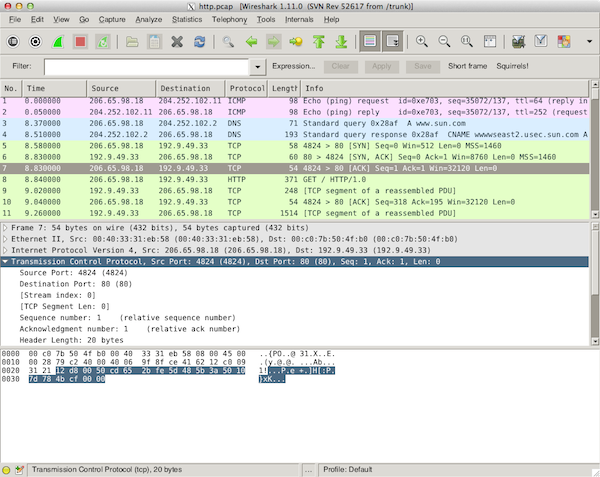
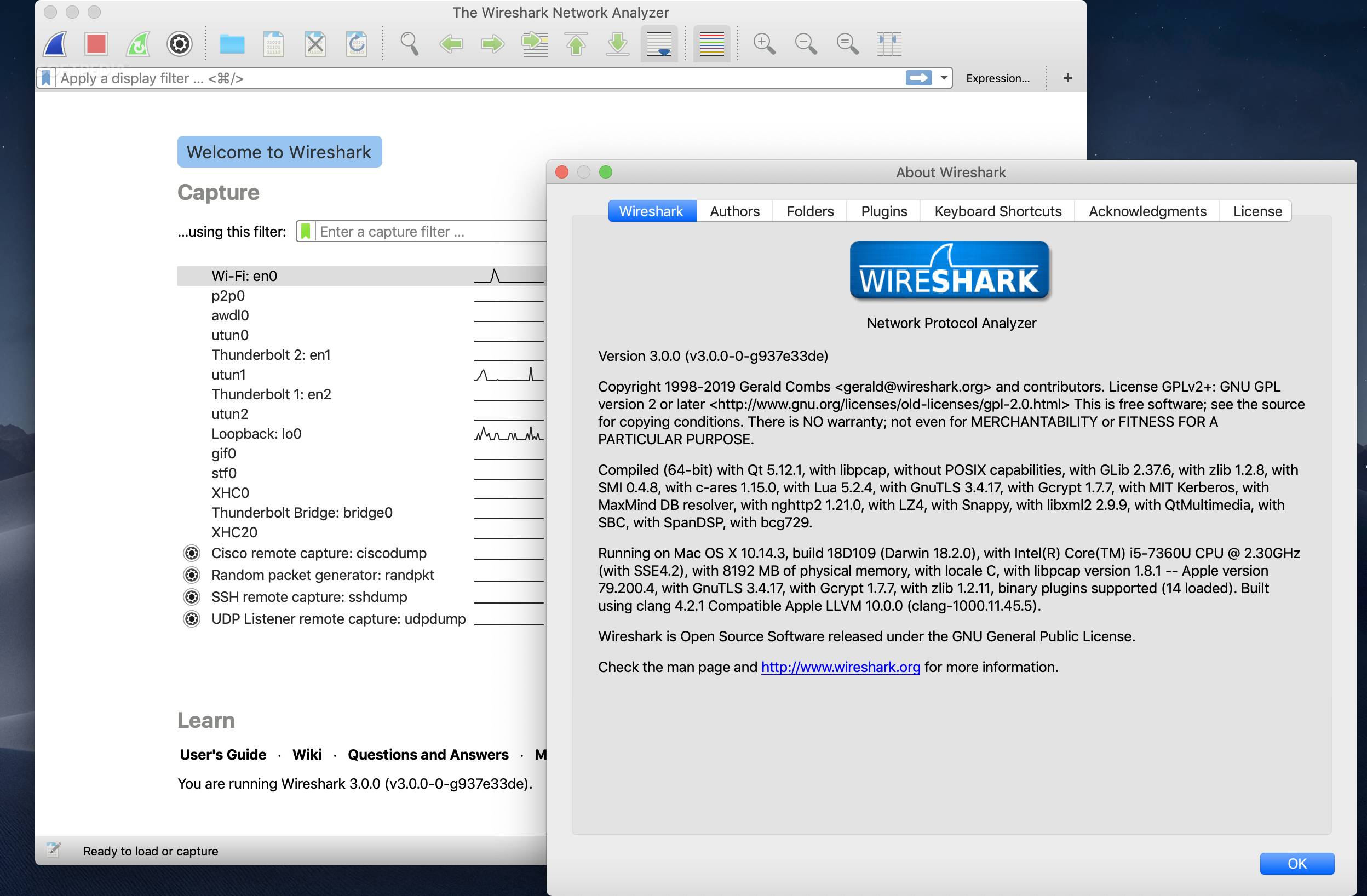


How do Qt projects look + feel when ported to Mac OS X? Do they look near native or can you tell it's a Qt project and not a Cocoa project?